
In short: Mallorca wins people over all year thanks to its mild climate (an average of 16.5 °C and around 2,750 hours of sunshine a year in Palma, according to AEMET, Spain’s weather agency), its coves and hills, its market-based cooking and village life that carries on through the winter. Eastern Mallorca adds quiet towns, a settled international community and the airport about an hour away by car.
Mallorca is far more than a summer destination. Those who experience it outside high season discover an island with a personality all its own: unhurried, luminous and surprisingly diverse. It’s no coincidence that so many people choose eastern Mallorca to settle, invest or simply live a different kind of life. Here are ten reasons why this island captivates you twelve months a year.
A climate that invites you to live outdoors
The first reason is the most obvious, yet no less powerful for it. Palma gets around 2,750 hours of sunshine a year on average, according to AEMET’s climate records (in Spanish), with mild winters that let you walk, exercise and sit on a terrace even in January. The average annual temperature is 16.5 °C, the perfect environment for anyone looking to escape long northern European winters.
That stable climate has a direct impact on quality of life. According to an Idealista analysis on living in Mallorca, the island offers a quality of life that stands out within Spain thanks to its combination of landscapes, climate and services. To see how that plays out day to day, read how Mallorca’s climate shapes your lifestyle.
Nature and landscapes that never grow old

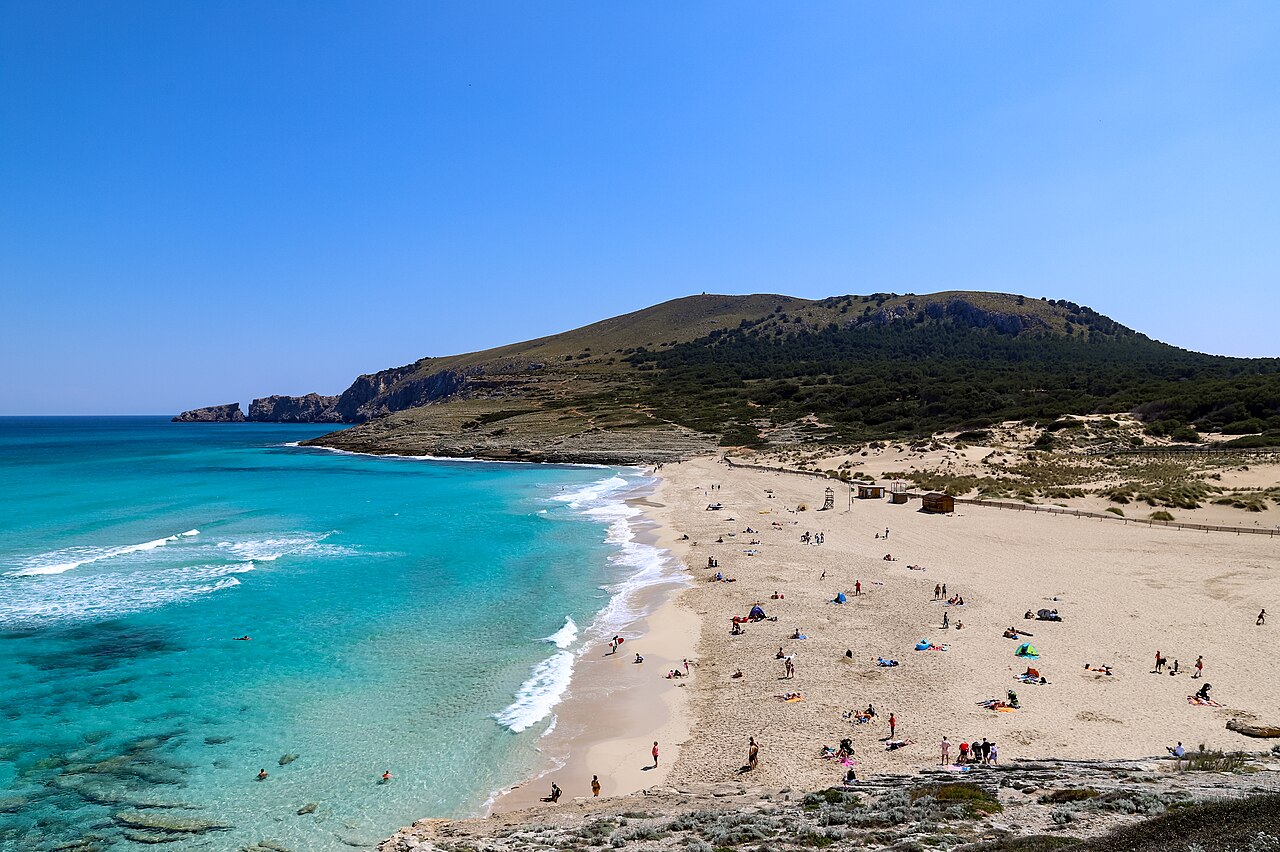
The second reason is the diversity of the scenery. Within just a few kilometres you go from the sea to the mountains, from a pine forest to a field of almond blossom. Eastern Mallorca has some of the best-preserved coves on the island, such as Cala Mondragó, inside a natural park, or Cala Agulla and Cala Mesquida, backed by dunes and pine woods.
Farm-to-table gastronomy and Mediterranean culture
The third reason is on the table. Mallorca has a culinary tradition that goes far beyond the ensaimada. Local markets like those in Artà and Santanyí offer fresh produce from land and sea, and eastern restaurants champion locally sourced cuisine that connects with the territory. It’s an everyday pleasure that defines the Mediterranean lifestyle.
Practical tip: to get to know the local food, start with the weekly markets and the island’s quality-labelled products, such as sobrasada and ensaimada, which both have protected geographical indication status.
An international community and a sense of belonging

The fourth reason is the community. Eastern Mallorca is home to a well-established international community that has integrated naturally into the local fabric. This makes settling in much easier for newcomers and creates an enriching multicultural environment.
The fifth reason is tranquillity. Outside the high season, the towns in the east return to their own pace: unhurried streets, neighbours who know each other and a village life that families with children and anyone seeking peace really value.
Connectivity without giving up the calm
The sixth reason is connectivity. Palma airport has direct flights to the main European cities and is about an hour’s drive from the towns in the east. This lets you maintain a professional and personal life connected to the continent without sacrificing day-to-day tranquillity.
The seventh reason is health and wellbeing. The Mediterranean lifestyle — with its balanced diet, outdoor exercise and lower stress levels — contributes to an overall sense of wellness you notice within the first few weeks. Living in Mallorca isn’t just a change of address: it’s a change of habits that improves quality of life.
A property market with real potential
The eighth reason is the property opportunity. Eastern Mallorca tends to be more affordable than Palma or the south-west of the island, with new-build options that combine contemporary design, energy efficiency and prime locations. If you’re weighing up your options, we recommend our article on the differences between buying a flat or a house in Mallorca to understand which format best suits your lifestyle.
The ninth reason is that buying a home here means thinking long term. Choosing the right location, nearby services and build quality is what helps a home hold its value over the years, and eastern Mallorca has areas that stay alive all year, not just in summer.
The tenth reason: the combination of it all
And the tenth — perhaps the hardest to put into words — is the feeling of having found balance. Mallorca isn’t perfect, but it offers something few European regions can match: the chance to live calmly, surrounded by natural beauty, with good services and a quality of life that justifies every decision made to get here. If you are thinking about it, take a look at our new-build developments in eastern Mallorca.
Frequently asked questions about living in Mallorca all year round
Is it expensive to live in Mallorca compared to other European cities?
It depends mainly on housing. The Balearic Islands ended 2025 as the Spanish region with the most expensive homes, at an average of €3,371/m² according to a Gesvalt report (in Spanish). Day to day, groceries, leisure and services tend to cost less than in large northern European cities such as Munich, Copenhagen or London, and eastern Mallorca has more affordable options than Palma or the island’s south-west.
Can I work remotely while living in eastern Mallorca?
Yes, the island has good internet coverage and fibre optic in the main towns. Many international professionals already work remotely from eastern Mallorca, taking advantage of its airport connectivity and living conditions ideal for focus and personal wellbeing.
What is winter like in Mallorca?
Winters in Mallorca are mild, with average temperatures of around 10 °C and highs of about 15 or 16 °C in Palma, according to AEMET. Rainfall is moderate and sunny days are frequent. It’s the perfect time to enjoy the island without crowds, with local life in full swing and green landscapes that surprise anyone who only knows the island in summer.
Which areas of eastern Mallorca are best to live in?
The most sought-after areas include Cala Ratjada and Capdepera for those who want the sea and full services, Artà for culture and countryside lovers, Son Servera for a family-oriented profile, and Porto Cristo Novo and Santanyí for those who prioritise exclusivity and peace. Each town has its own character, and the choice depends on the lifestyle you’re after. We go into more detail in where to live in Mallorca if you want year-round tranquillity.
Image credits: cover, dronepicr (CC BY 2.0); Cala Mondragó, Xxlstier (CC BY-SA 4.0); Capdepera Castle, A. Savin (Free Art License). All via Wikimedia Commons.